
Blog
13th July 2025
The automotive industry is undergoing a seismic shift toward electrification, driven by the need for sustainability, efficiency, and advanced vehicle functionalities. At the core of this transformation is automotive power electronics, a critical technology that manages and converts electrical energy to optimize vehicle performance. From electric vehicles (EVs) to hybrid electric vehicles (HEVs) and advanced driver-assistance systems (ADAS), power electronics is redefining mobility.
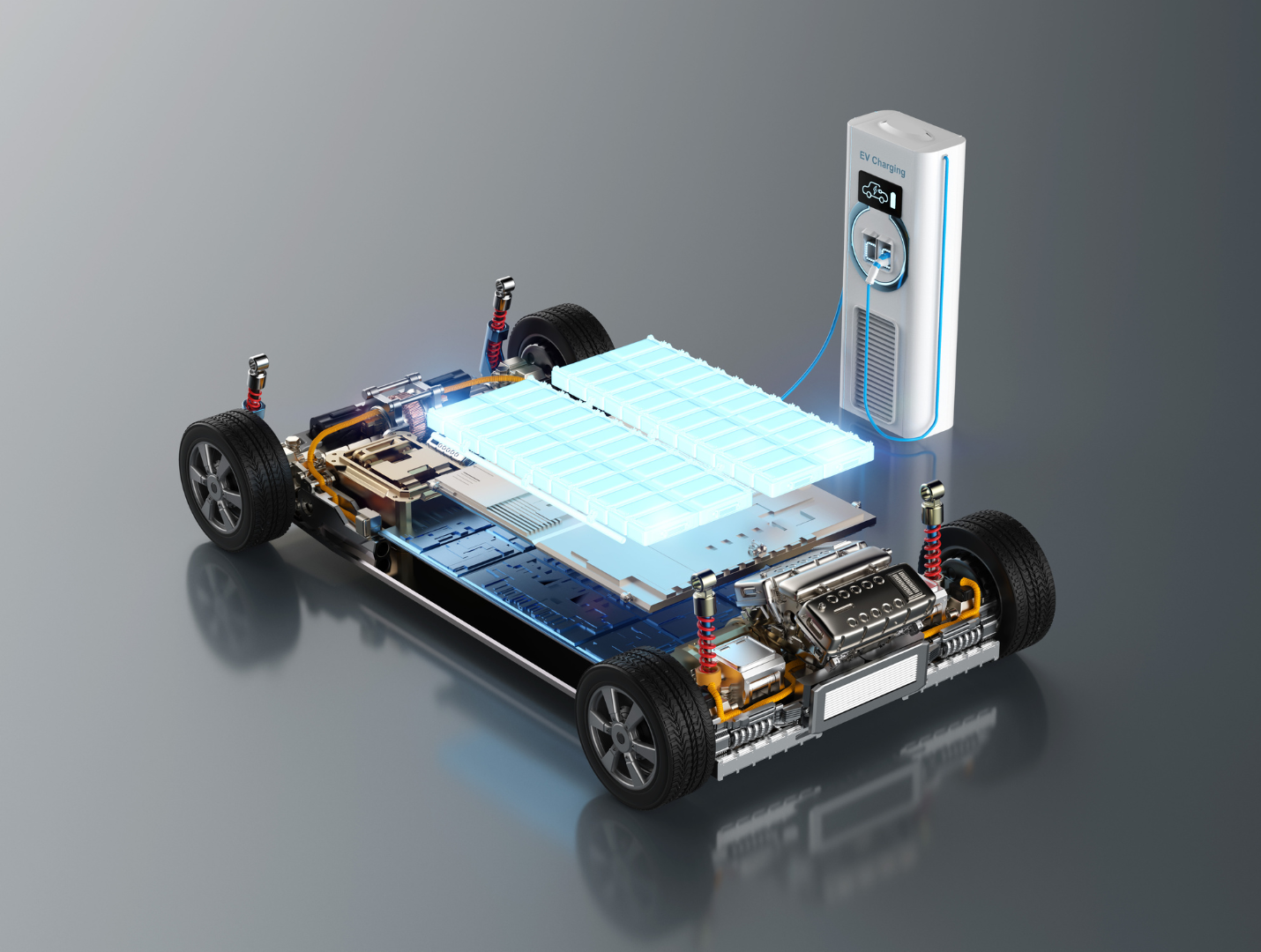
Automotive power electronics encompasses the design, development, and integration of electronic systems that control and convert electrical power in vehicles. These systems ensure efficient energy flow between batteries, electric motors, and auxiliary components. Key components include inverters, DC-DC converters, on-board chargers (OBCs), insulated-gate bipolar transistors (IGBTs), metal-oxide-semiconductor field-effect transistors (MOSFETs), and battery management systems (BMS).
Power Conversion: Converts DC to AC (via inverters) or adjusts voltage levels (via converters) to power electric motors and auxiliary systems.
Energy Management: Optimizes energy usage in EVs and HEVs to maximize driving range and efficiency.
Thermal Management: Manages heat dissipation to ensure component reliability and longevity.
Battery Management: Monitors battery health, charge levels, and safety to enhance performance and lifespan.
Motor Control: Enables precise control of electric motors for smooth acceleration, torque delivery, and regenerative braking.
The automotive power electronics value chain is a complex ecosystem that drives innovation and supports the electrification of mobility. It encompasses several stages, each critical to delivering high-performance power electronics systems. Below is a detailed breakdown:
The foundation of power electronics lies in raw materials such as silicon, silicon carbide (SiC), and gallium nitride (GaN). These materials are processed into semiconductor wafers, which form the basis for power electronic components. SiC and GaN, known as wide-bandgap (WBG) semiconductors, are increasingly preferred for their high efficiency and thermal performance, though they require specialized sourcing and processing due to their higher costs.
This stage involves producing critical components like IGBTs, MOSFETs, diodes, capacitors, and inductors. Manufacturers fabricate these components into power modules, such as inverters and converters, tailored for automotive applications. The shift toward WBG semiconductors is driving advancements in component design, enabling smaller, more efficient systems. This segment is highly competitive, with innovation focused on cost reduction and performance optimization.
Components are integrated into systems like inverters, DC-DC converters, on-board chargers, and battery management systems. This stage requires precise engineering to ensure compatibility, reliability, and thermal management. Integrated power modules, which combine multiple functions into a single unit, are gaining traction for their compact design and cost efficiency, particularly in EVs and HEVs.
Original Equipment Manufacturers (OEMs) integrate power electronics systems into vehicles, including EVs, HEVs, plug-in hybrids (PHEVs), and commercial vehicles. This stage involves collaboration with Tier 1 suppliers to ensure systems meet performance, safety, and regulatory standards. Power electronics also supports ADAS and autonomous driving by powering sensors and computing systems.
Power electronics systems are deployed in various applications, from passenger EVs to heavy-duty trucks and buses. The aftermarket includes maintenance, upgrades, and recycling of components, contributing to sustainability. Recycling SiC and GaN materials is increasingly important to reduce costs and environmental impact.
Continuous R&D is vital to the value chain, driving advancements in materials, component efficiency, and system integration. Collaboration between academia, industry, and governments fosters innovation in areas like AI-driven power management and wireless charging. R&D also addresses challenges like cost and supply chain disruptions.
Power electronics is the backbone of electrified vehicles, enabling efficient power delivery and system integration. Here’s how it contributes to EVs and HEVs:
Inverters are critical for converting DC battery power to AC for electric motors. Advanced inverters using silicon carbide (SiC) and gallium nitride (GaN) semiconductors reduce energy losses and improve efficiency, enabling longer driving ranges and faster charging.
BMS relies on power electronics to monitor and manage battery parameters, such as state of charge (SoC), state of health (SoH), and temperature. This ensures safe and efficient battery operation, critical for lithium-ion batteries in EVs. The APC UK notes that BMS is a high-value component in the power electronics value chain, driving demand for advanced semiconductor solutions.
OBCs convert AC grid power to DC for battery charging. High-efficiency OBCs reduce charging times and energy waste, enhancing EV adoption. The APC UK emphasizes the growing demand for bidirectional OBCs, which support vehicle-to-grid (V2G) applications, allowing EVs to supply power back to the grid.
Power electronics enables regenerative braking, where kinetic energy is converted into electrical energy during braking and stored in the battery. This improves energy efficiency and extends driving range, a key selling point for EVs and HEVs.
DC-DC converters adjust voltage levels to power auxiliary systems like infotainment, lighting, and HVAC. Compact and efficient converters reduce vehicle weight and energy consumption, aligning with the industry’s push for lightweight designs.
The APC UK outlines the automotive power electronics value chain as a multi-layered ecosystem, including:
Raw Materials: Silicon, SiC, GaN, and other semiconductors form the foundation of power electronics components.
Component Manufacturing: Production of IGBTs, MOSFETs, diodes, and capacitors, with a shift toward WBG semiconductors for higher efficiency.
System Integration: Combining components into modules like inverters, converters, and BMS for vehicle applications.
End-Use Applications: Deployment in EVs, HEVs, plug-in hybrids (PHEVs), and commercial vehicles, with increasing integration in ADAS and autonomous systems.
This value chain highlights opportunities for innovation, from material science to system design, and underscores the importance of collaboration across suppliers, manufacturers, and OEMs.
The automotive power electronics market is evolving rapidly. Key trends include:
SiC and GaN semiconductors offer higher efficiency and faster switching, making them ideal for high-voltage EV applications due to their compact size and performance.
Power electronics powers sensors, radar, LIDAR, and AI processors for ADAS and autonomous driving, ensuring reliable operation without excessive battery drain.
V2G and V2X technologies enable EVs to interact with the grid, supported by bidirectional power electronics for energy transfer and grid stability.
Integrated power modules combine inverters, converters, and chargers, reducing weight and cost for scalable EV designs.
Power electronics supports the electrification of trucks and buses, requiring robust inverters and converters for high-power applications.
Image Alt Text: SiC semiconductor module for automotive power electronics in EVs.
The industry faces several challenges:
High Costs: SiC and GaN components are costly, impacting EV affordability. Cost reduction through economies of scale is a priority.
Thermal Management: High-power systems require advanced cooling solutions like liquid cooling.
Supply Chain Disruptions: Semiconductor shortages delay production.
Standardization: Lack of universal standards complicates integration.
Related: Learn about semiconductor supply chain solutions at BlueQuark Research and Consulting.
The future of automotive power electronics is poised for transformative growth:
AI and Machine Learning: Optimizes energy use and predicts battery performance.
Wireless Charging: Enables efficient wireless EV charging.
High-Voltage Systems: 800V architectures support faster charging and efficiency.
Sustainable Manufacturing: Eco-friendly processes align with sustainability goals.
As the industry evolves, BlueQuark Research is committed to providing actionable insights and solutions to help businesses thrive in this dynamic landscape. Download our comprehensive report to explore how automotive power electronics can empower your organization.